제품
검색

온라인 서비스
| 예비 부품(24 H)-피오나 |  |
| 장비-Lee | |
| 유지 보수 소모품 - Jessica | |


| 예비 부품(24 H)-피오나 | |
| 장비-Lee | |
| 유지 보수 소모품 - Jessica | |
|
|
Minimizes Solder Oxidation (Dross)
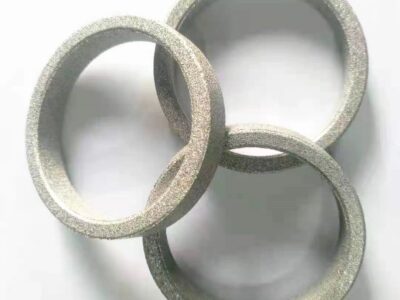
Molten solder, especially lead-free types like SAC305, easily oxidizes at high temperatures. A nitrogen ring lowers oxygen levels around the soldering area to below 100 ppm (vs. 21% in air), greatly reducing dross, waste, and nozzle clogging.
Improves Soldering Quality
Nitrogen improves solder wettability and reduces defects like cold and dry joints, especially critical for high-density PCBs (e.g., 비지가스, QFN).
Cheap rings cause gas waste, poor protection, and higher costs. Well-designed rings solve key issues:
High-Quality Rings (e.g., ERSA same material):
1. Optimized Airflow
Porous diffusers or laminar guides ensure smooth, targeted nitrogen coverage without turbulence.
2. Sealing Adaptability
Flexible silicone skirts conform to uneven PCB surfaces, preventing gas leaks.
3. Heat & Corrosion Resistance
Materials must withstand >300°C and flux vapors (e.g., 316L stainless steel, ceramic coating).
4. Integration with Nozzle Design
OEM rings (like ERSA) match the nozzle structure for ideal gas and wave alignment.
Standard Nitrogen Ring
Dross: ~1.5–2.5 kg per 8h
Nitrogen use: 15–20 L/min
High-Quality Ring (e.g., ERSA)
Dross reduced by >50% (to ~0.5–1 kg/8h)
Nitrogen use: 8–12 L/min
Up to 30% annual gas savings
Less dross buildup on nozzles and pumps → lower maintenance
Longer life for titanium nozzles and solder pots
More stable wave peaks → better soldering consistency