제품
검색

온라인 서비스
| 예비 부품(24 H)-피오나 |  |
| 장비-Lee | |
| 유지 보수 소모품 - Jessica | |


| 예비 부품(24 H)-피오나 | |
| 장비-Lee | |
| 유지 보수 소모품 - Jessica | |
|
|
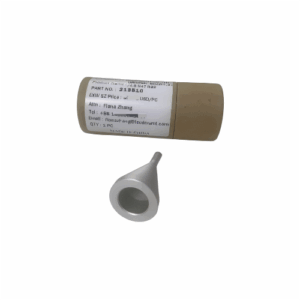
1. Enhanced Corrosion Resistance
Issue: Titanium alloys may corrode after long exposure to active flux and molten solder.
Oxide Layer Effect:
Anodized TiO₂ layer blocks chemical contact.
Strongly resists halide attack (Cl⁻, Br⁻).
Prevents inner surface roughening.
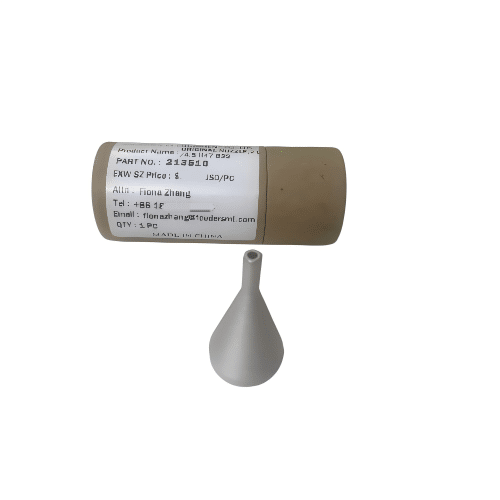
2. Improved Hardness and Wear Resistance
Issue: Titanium (≈36 HRC) still wears under solder impact.
Oxide Layer Effect:
Hardness increases to 800–1200 HV.
Reduces wear from solder and dross.
Lower friction, less solder sticking.
Longer cleaning intervals.
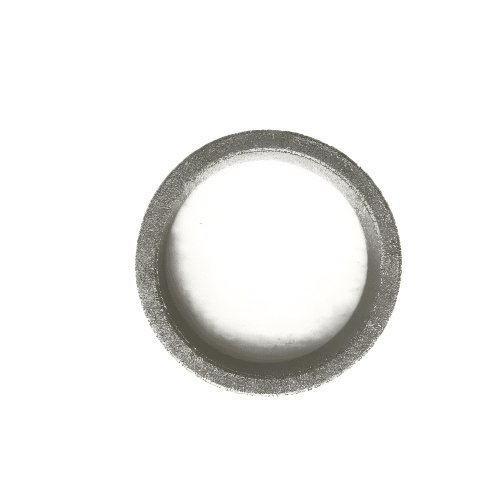
3. Better High-Temp Oxidation Resistance
Issue: Natural oxide is thin and uneven at 260–300°C.
Oxide Layer Effect:
Dense artificial layer blocks oxygen diffusion.
Prevents nozzle embrittlement.
Less dross buildup; stable wave.
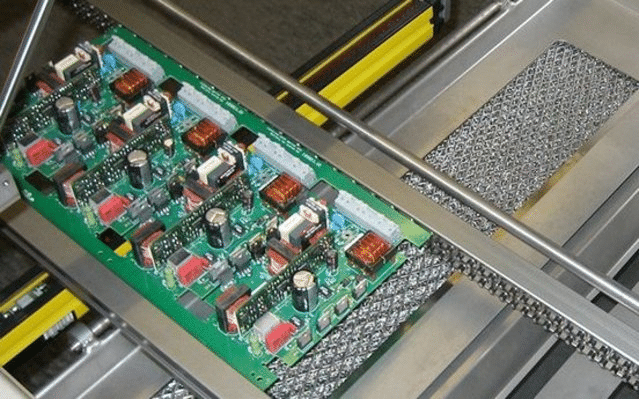
4. Reduced Solder Wettability
Issue: Molten solder wets titanium easily, causing residue.
Oxide Layer Effect:
TiO₂ has low surface energy.
Solder doesn’t stick easily.
Easier to clean.