プロダクツ
捜索

オンラインサービス
| 予備部品(24 H)-フィオナ |  |
| 装備-リー | |
| メンテナンス消耗品-ジェシカ | |


| 予備部品(24 H)-フィオナ | |
| 装備-リー | |
| メンテナンス消耗品-ジェシカ | |
|
|
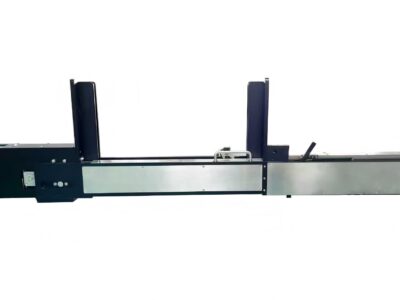
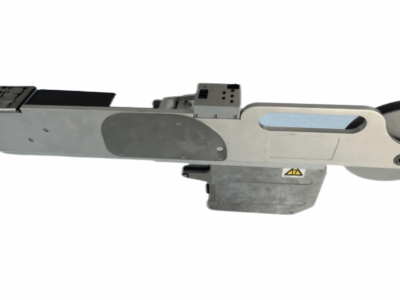
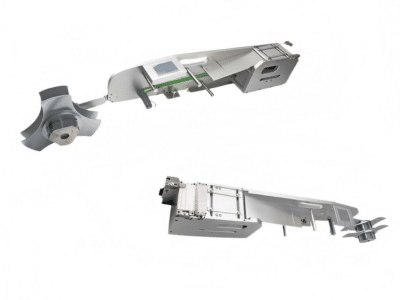
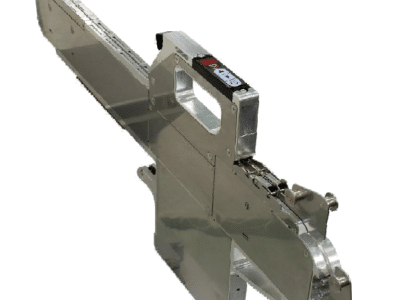
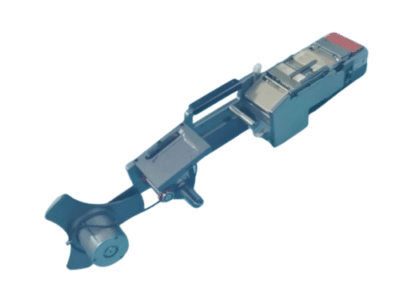
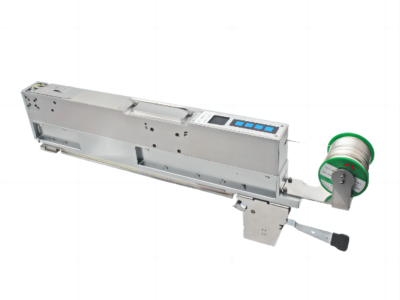
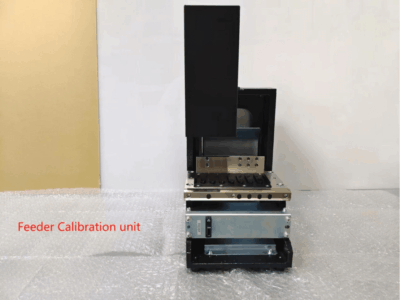
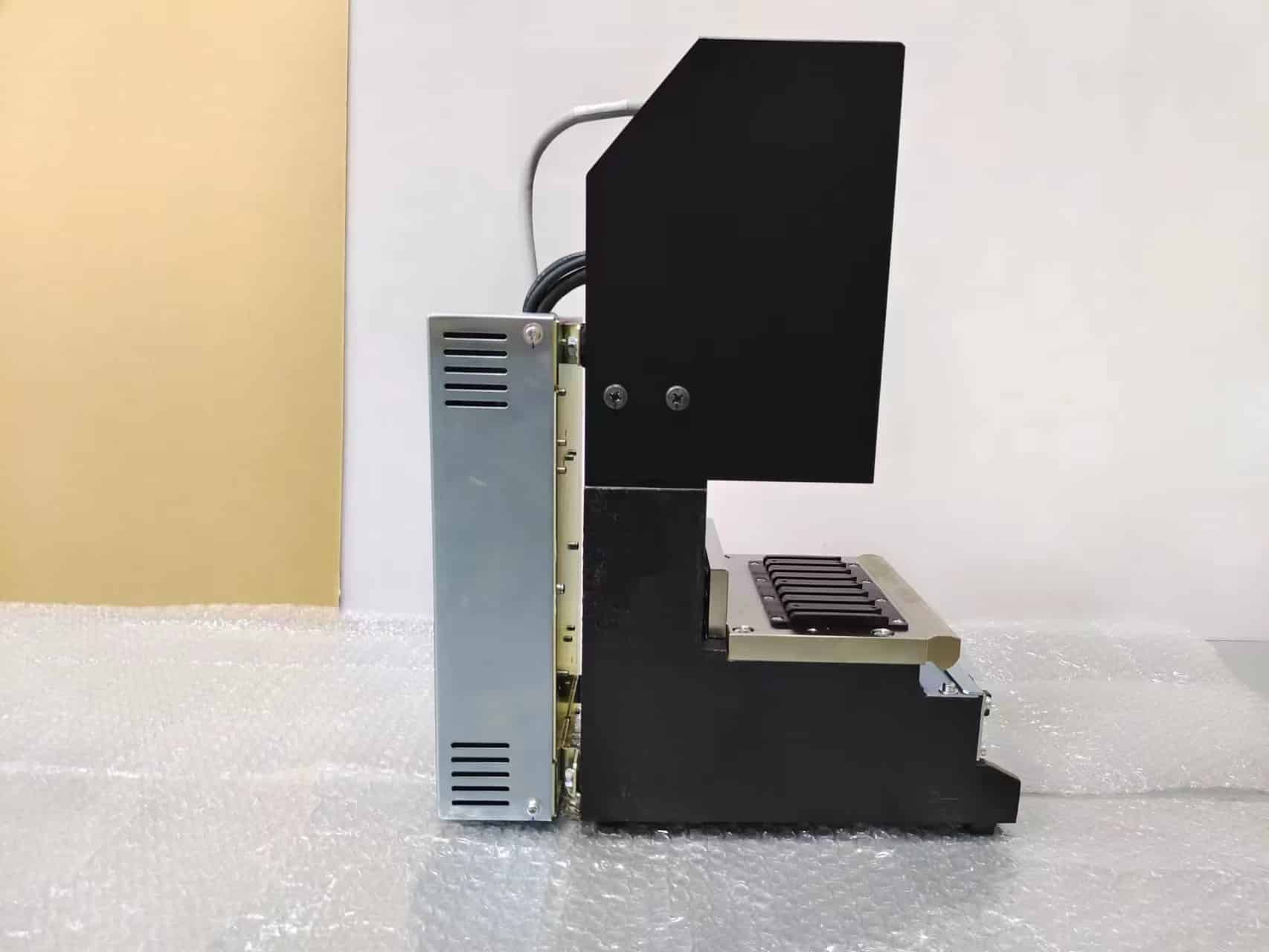
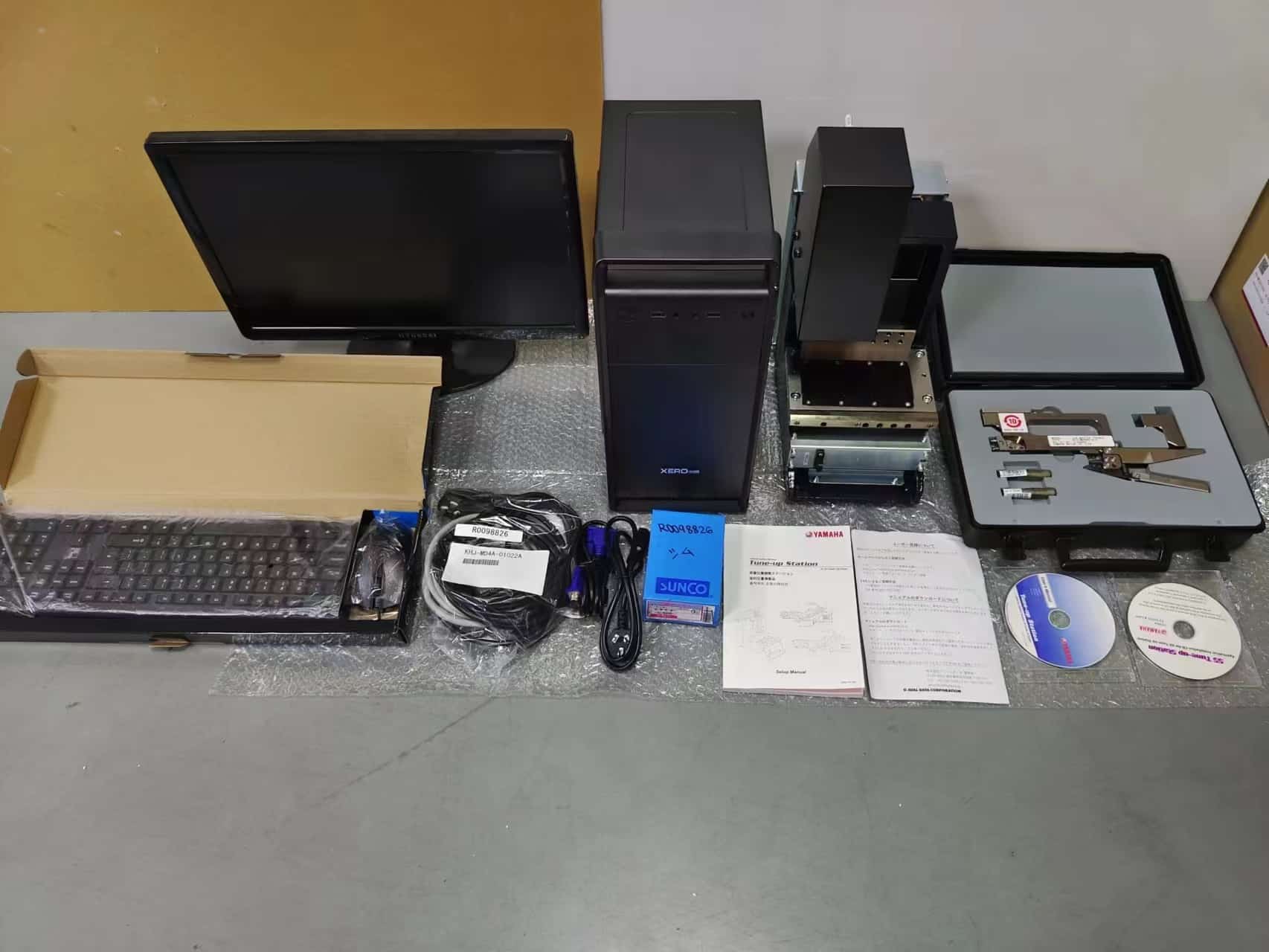 ある Yamaha feeder calibration unit is a specialized tool used to check, adjust, and maintain SMT feeders so they work with maximum accuracy on pick-and-place machines.
Here’s what it does and why it’s important:
Feeder Accuracy Testing
Measures if the feeder is advancing components at the correct pitch and position.
Detects feeding errors like over-advancement or misalignment before they cause placement defects.
Pitch Adjustment
Lets you set and fine-tune the feeder’s component pitch (e.g., 2 ミリメートル, 4 ミリメートル, 8 ミリメートル) without using the SMT machine itself.
Ensures the component is always presented in the exact spot for the pick-up nozzle.
Sensor & Mechanism Check
Tests the feeder’s optical and mechanical sensors to make sure they detect component tape holes correctly.
Identifies worn or dirty sensors that can cause misfeeds.
Preventive Maintenance
Helps you maintain feeder health and extend its life.
Early detection of worn gears, springs, or peeling mechanisms before they fail during production.
Production Efficiency
By calibrating feeders offline, you keep SMT machines running without interruption.
Reduces downtime caused by swapping and testing feeders directly on the machine.
 Why It Matters in SMT Production
A feeder that’s even slightly out of calibration can cause:
Misplaced components
Machine stops due to pickup errors
Higher defect rates and rework costs
Calibrating feeders offline means your SMT line stays productive while feeders are being checked and adjusted in parallel.
💡 Example:
If a Yamaha i-Pulse F3 feeder is set to the wrong pitch (e.g., 2 mm instead of 4 ミリメートル), the calibration unit will flag it immediately, letting you correct the setting before it’s loaded onto the machine.